
Built for high daily volume
Commercial-grade components are engineered to run cup after cup, hour after hour, without the overheating that stops domestic machines dead by mid-morning.
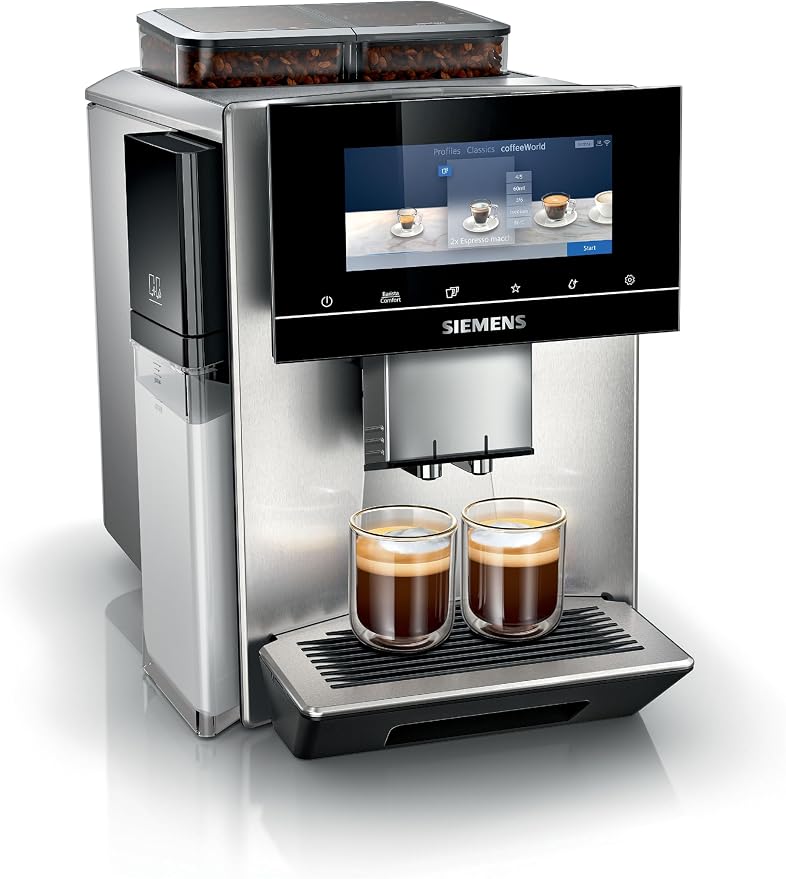
Commercial Coffee Machines supplies commercial-grade bean-to-cup, espresso and filter machines built for the volume and reliability offices, cafes and caterers actually need.
Domestic machines overheat and break down under daily demand. Cheap commercial imports skimp on parts and support. Genuine commercial-grade machines do what neither can.
Commercial-grade components are engineered to run cup after cup, hour after hour, without the overheating that stops domestic machines dead by mid-morning.
Precise temperature and pressure control means every espresso, bean-to-cup or filter brew tastes the same, from the first cup of the day to the last.
Removable brew groups, self-clean cycles and dishwasher-safe parts make daily hygiene routines quick, not a chore for busy staff.
Commercial-grade internals resist wear from constant use, so the machine you buy on day one still performs reliably years into service.
Every machine comes from authorised UK suppliers, not grey-market imports, so parts, warranty and support are all where they should be.
From a small office kitchen to a full catering operation, output capacity is matched to genuine daily cup counts, not guesswork.
Every machine is sourced from authorised UK suppliers and built for daily commercial use. Choose the format that matches your volume. Free UK delivery on orders over £90.
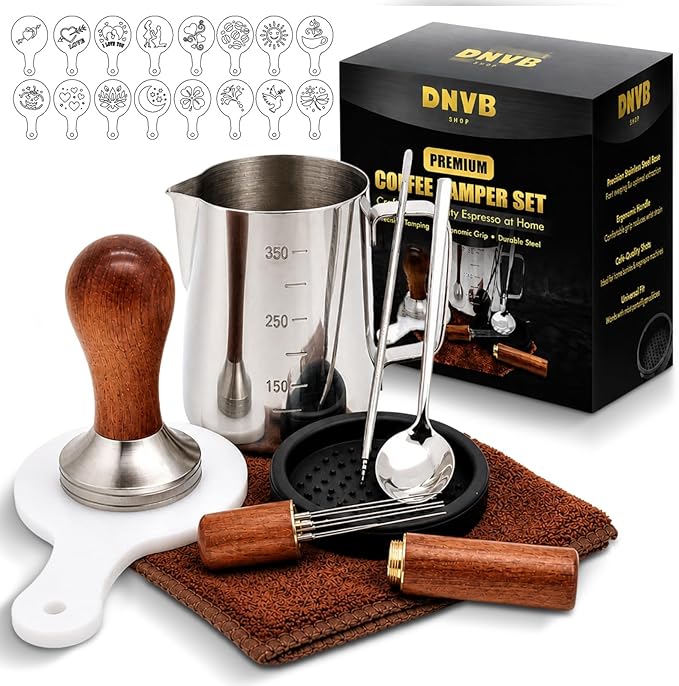
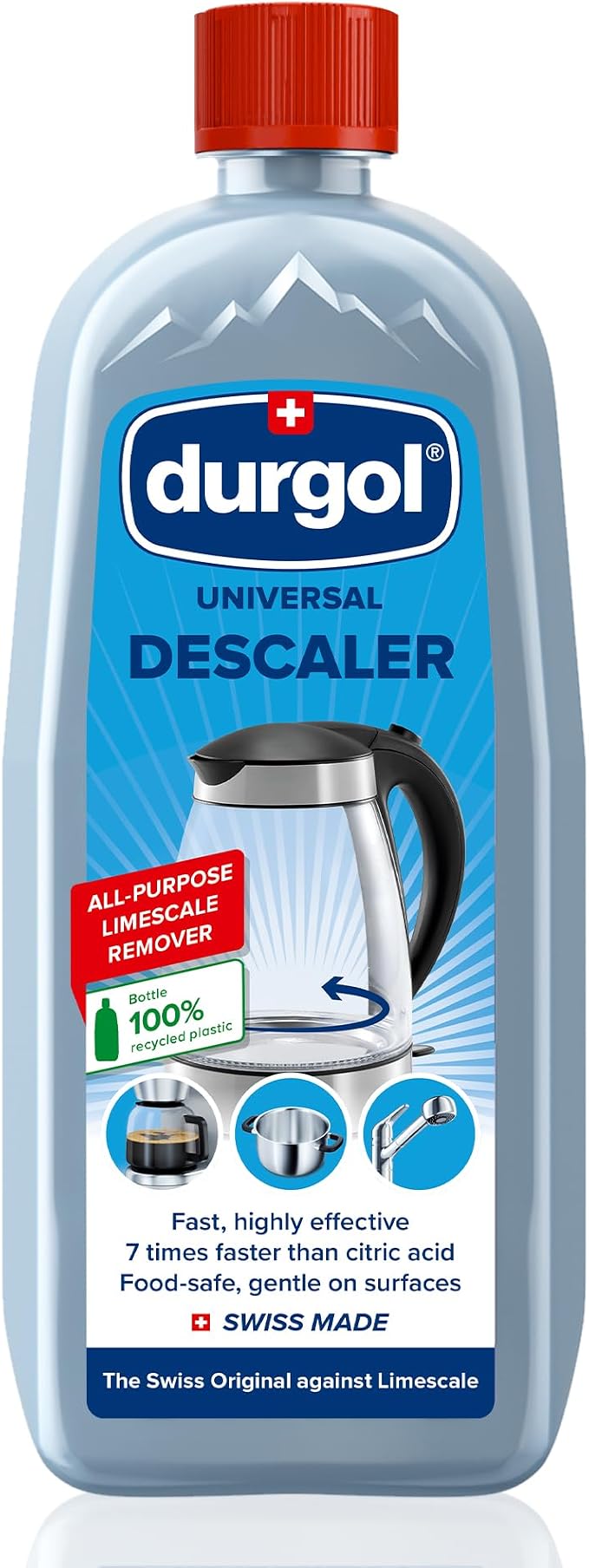
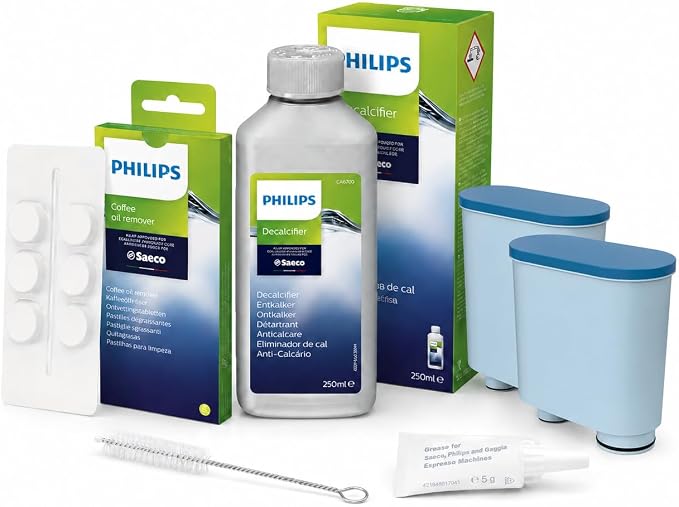
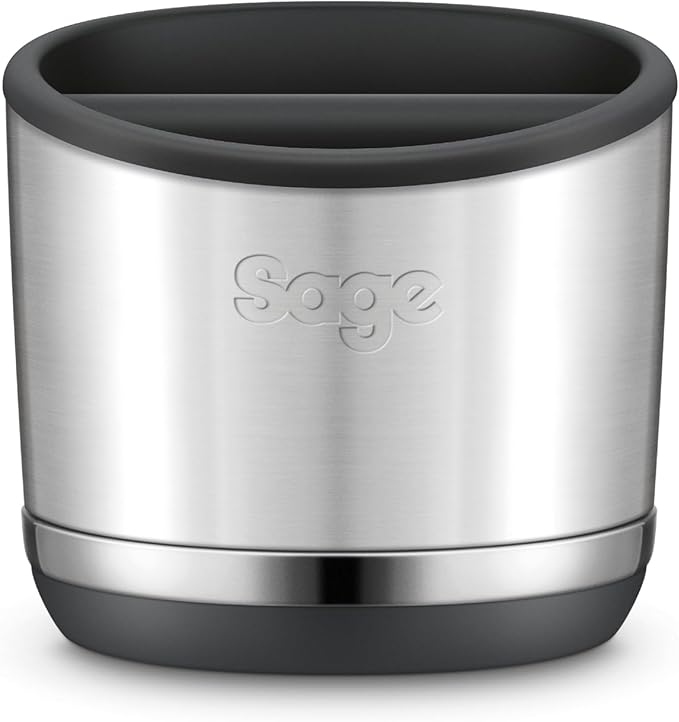
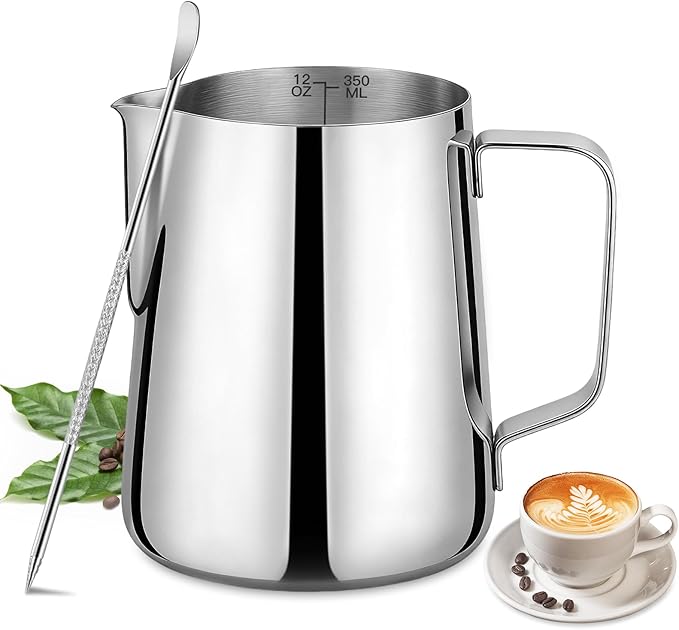
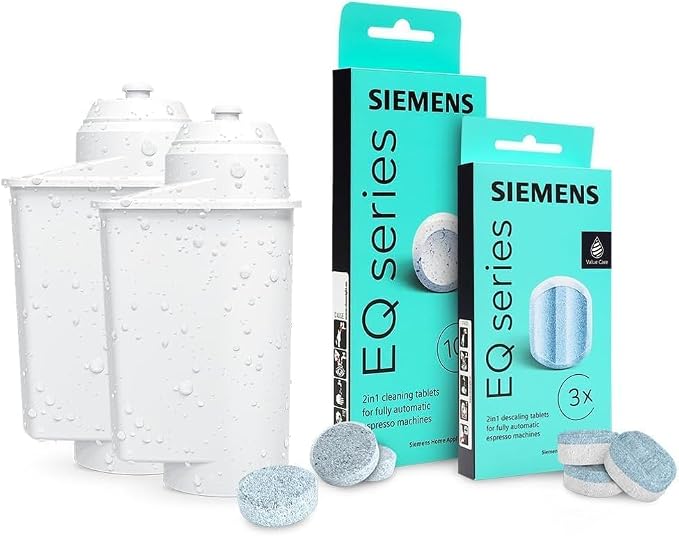
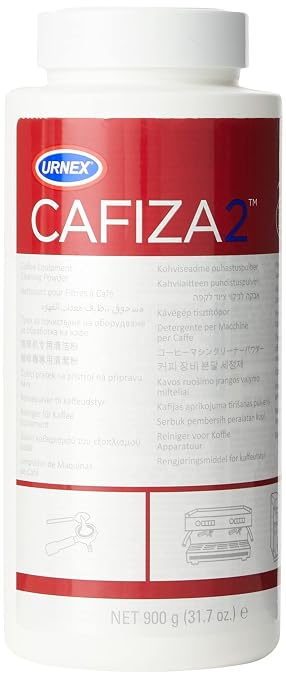
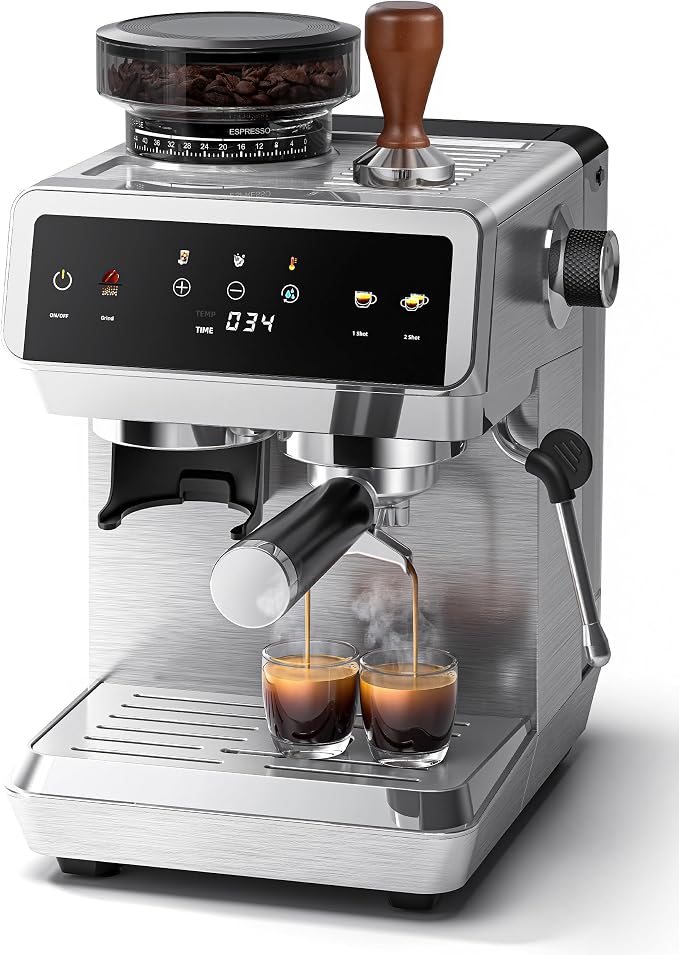
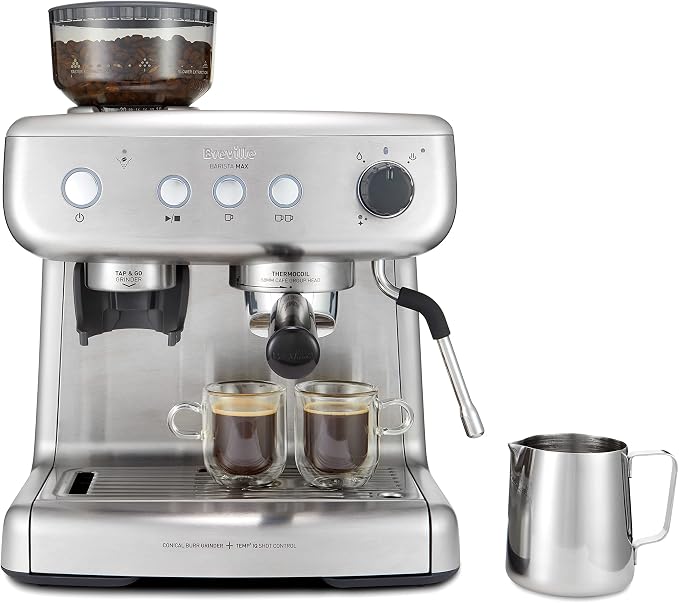
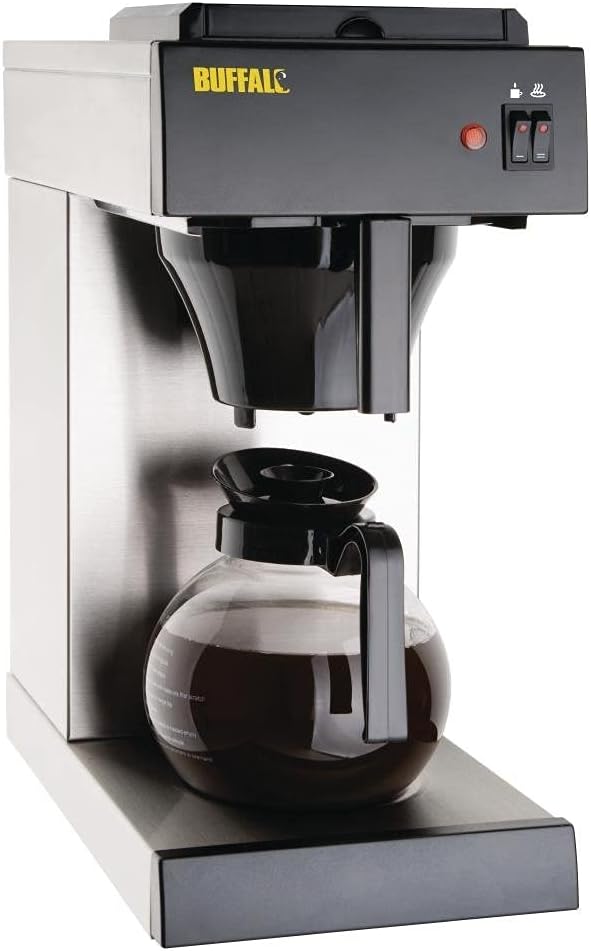
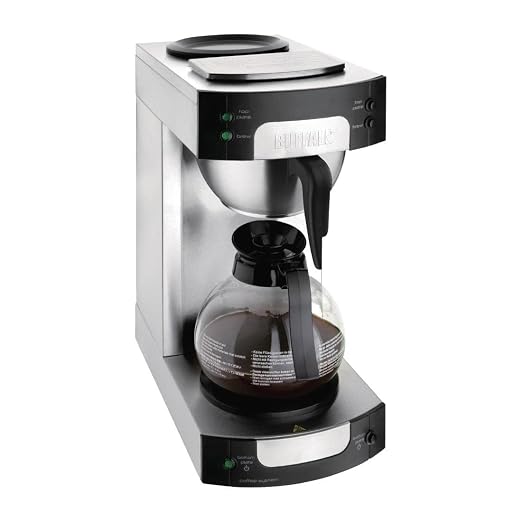
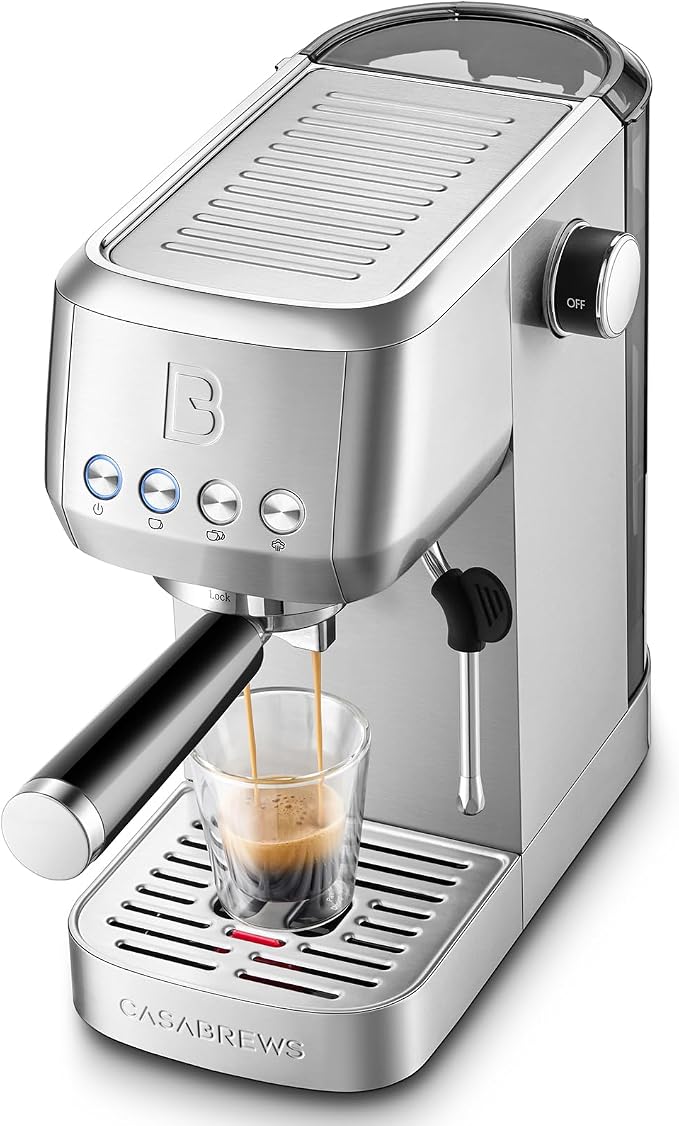
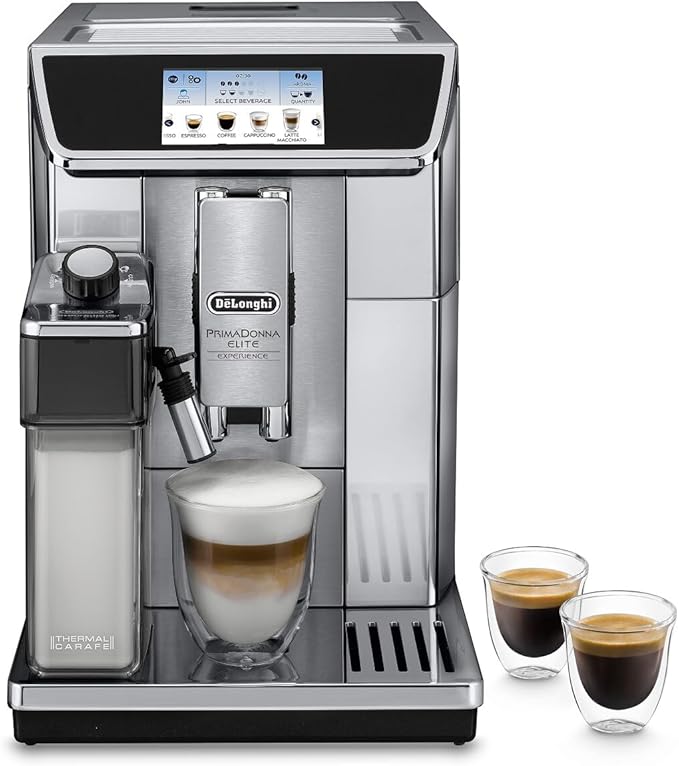
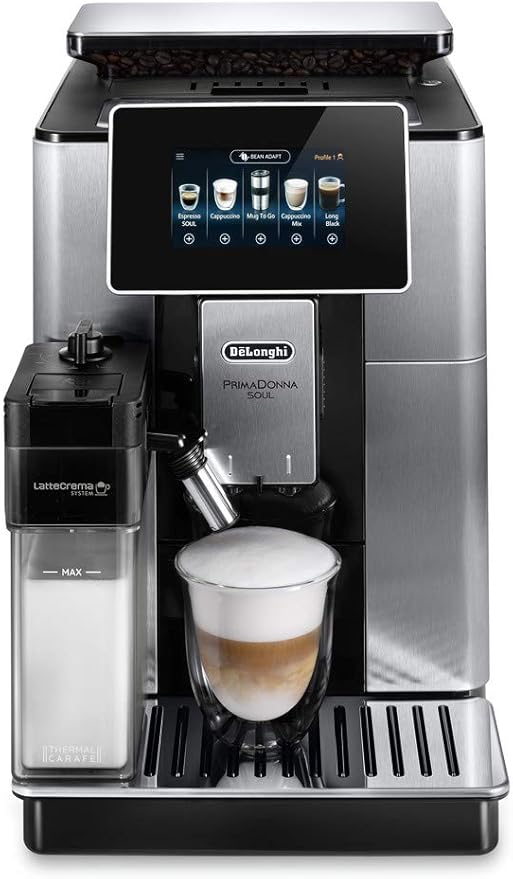
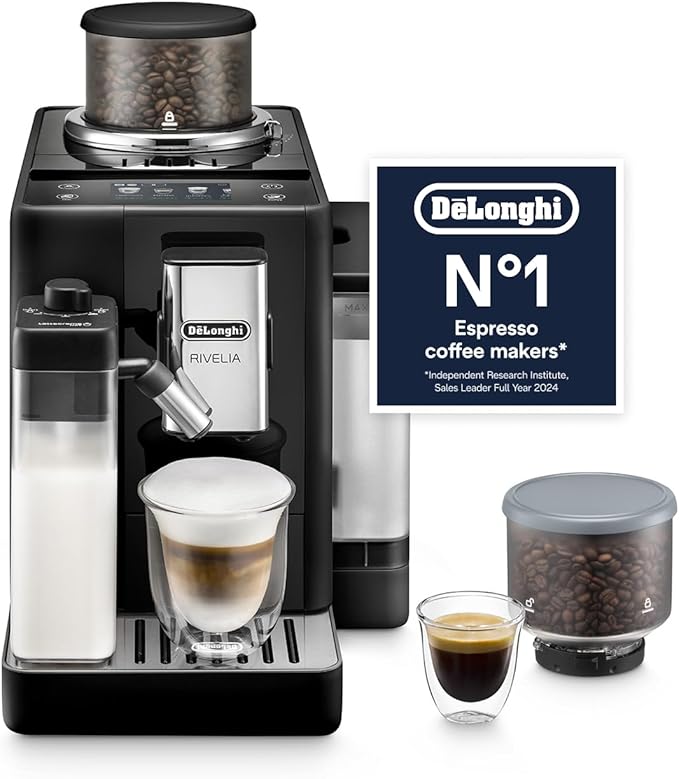
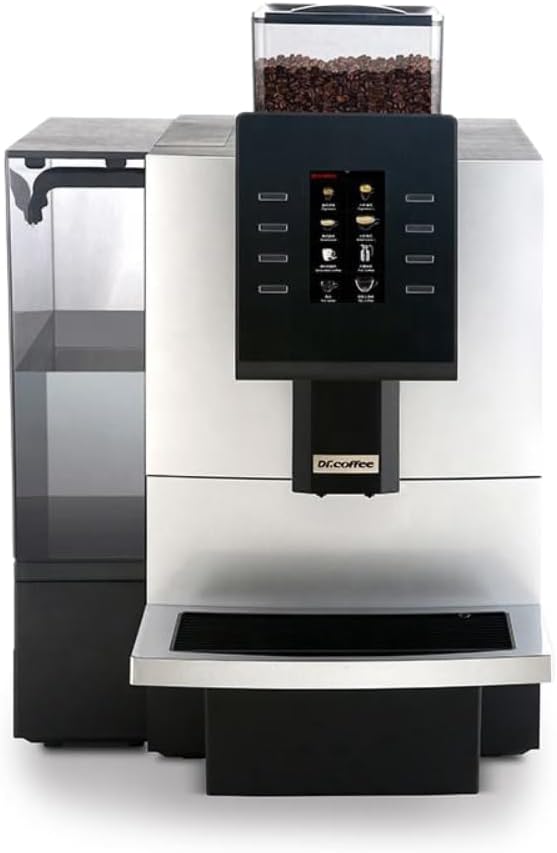
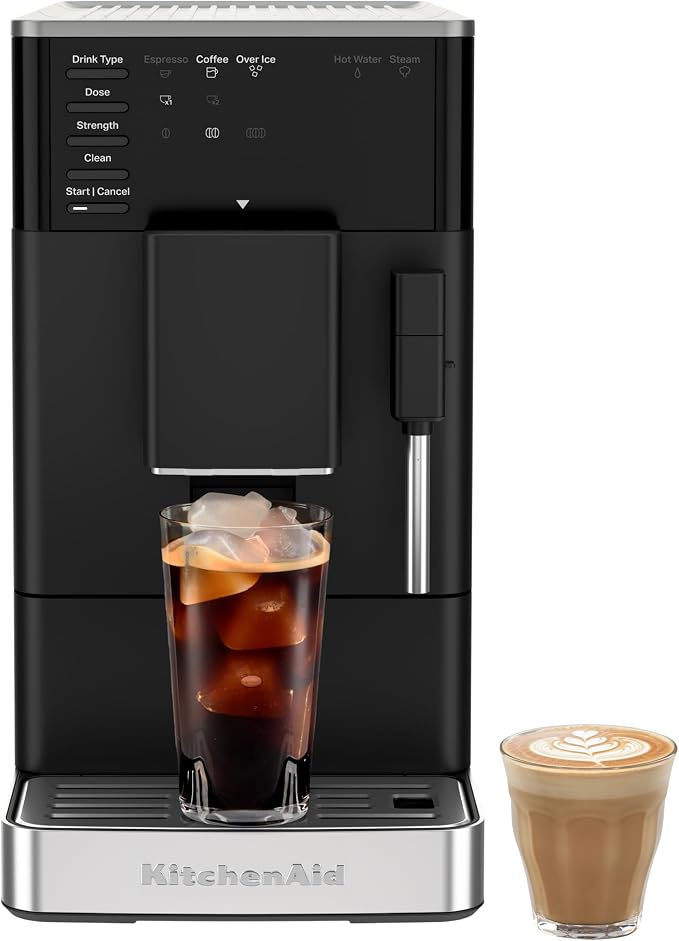
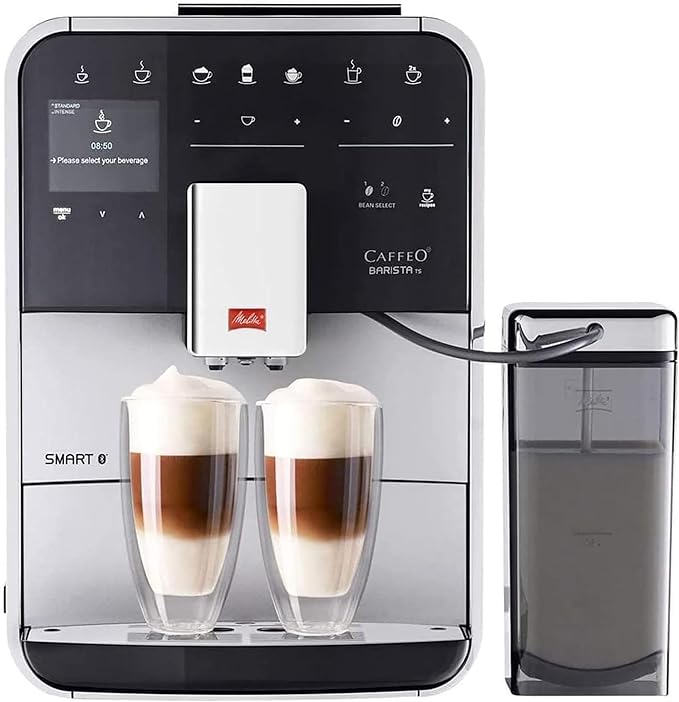
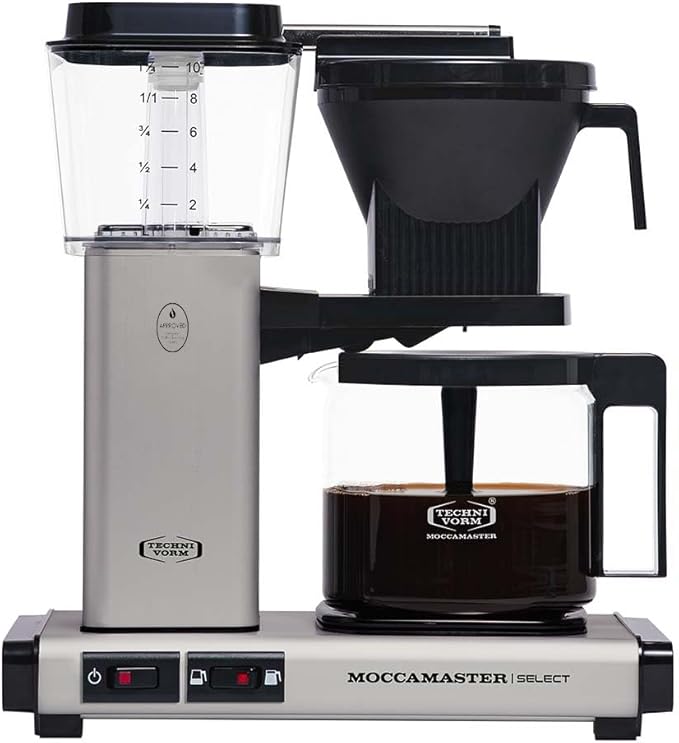
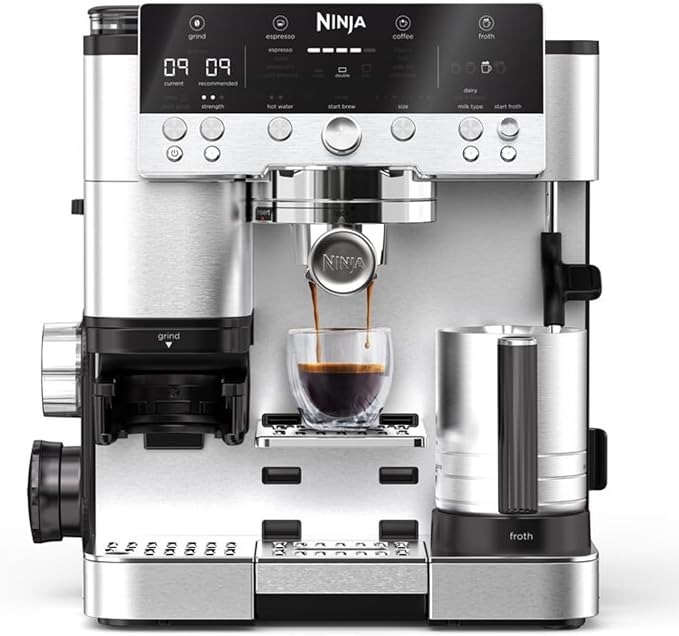
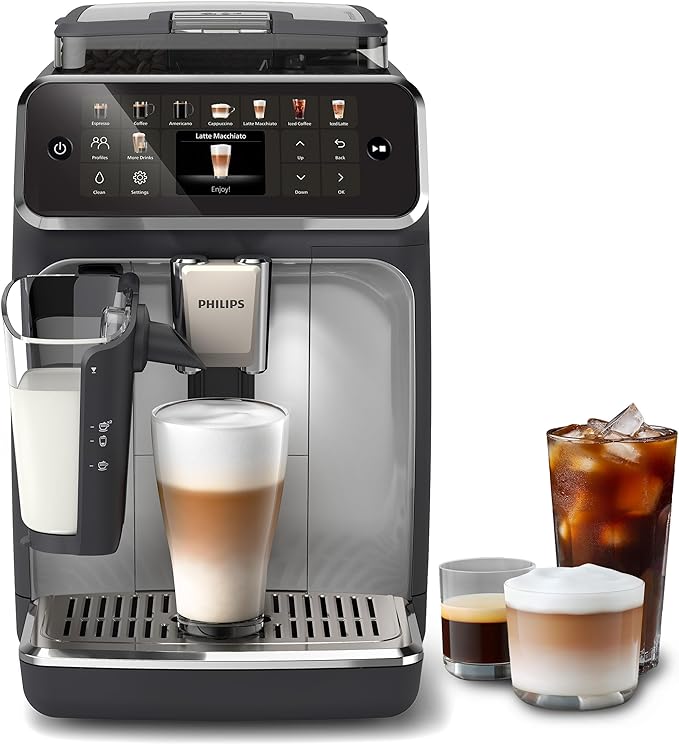
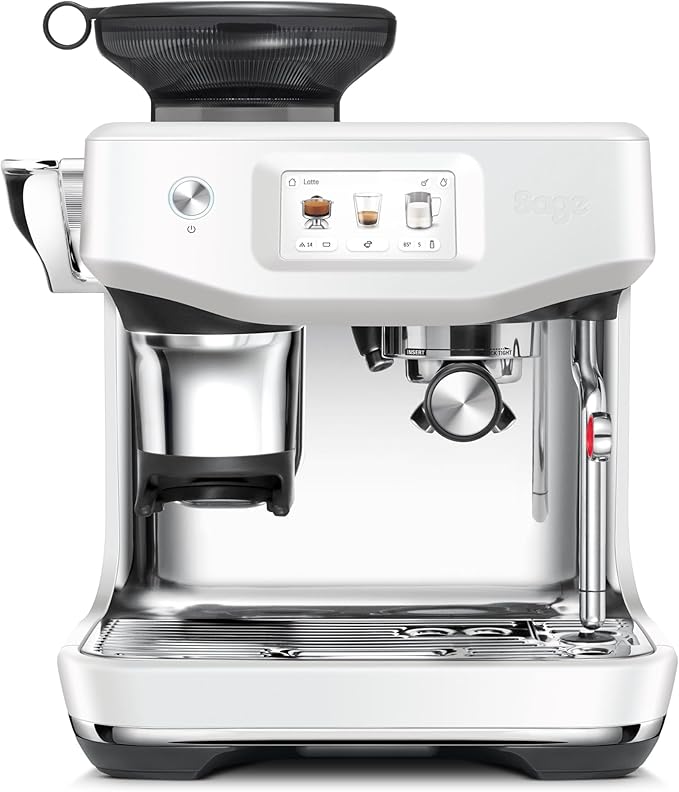
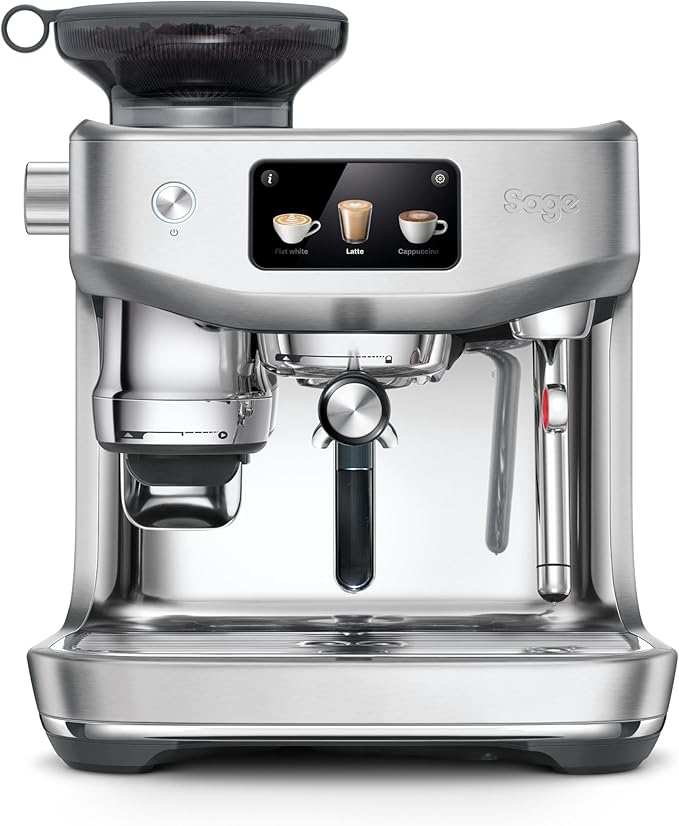
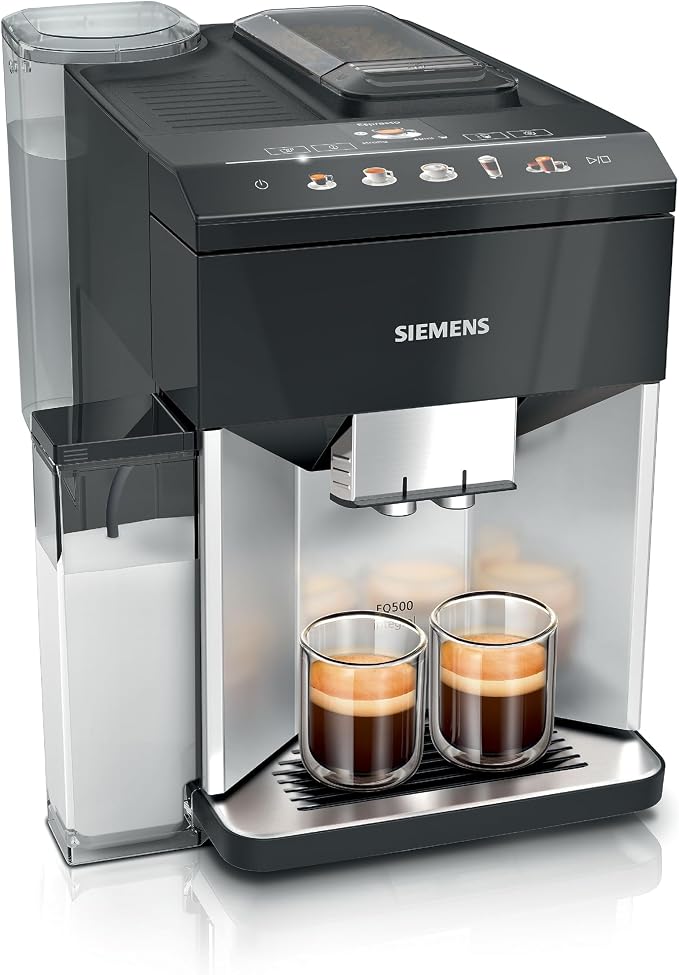
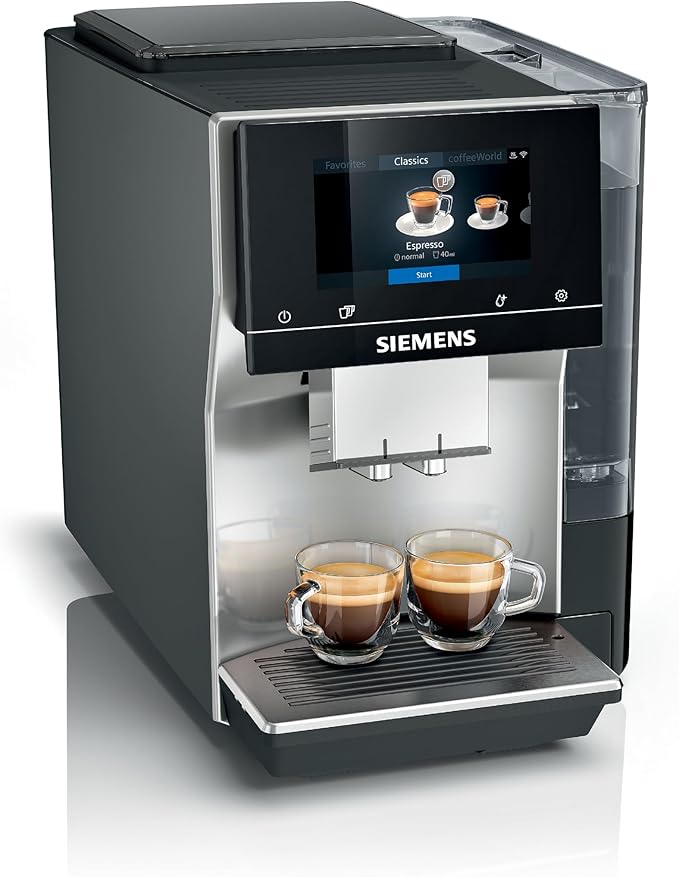
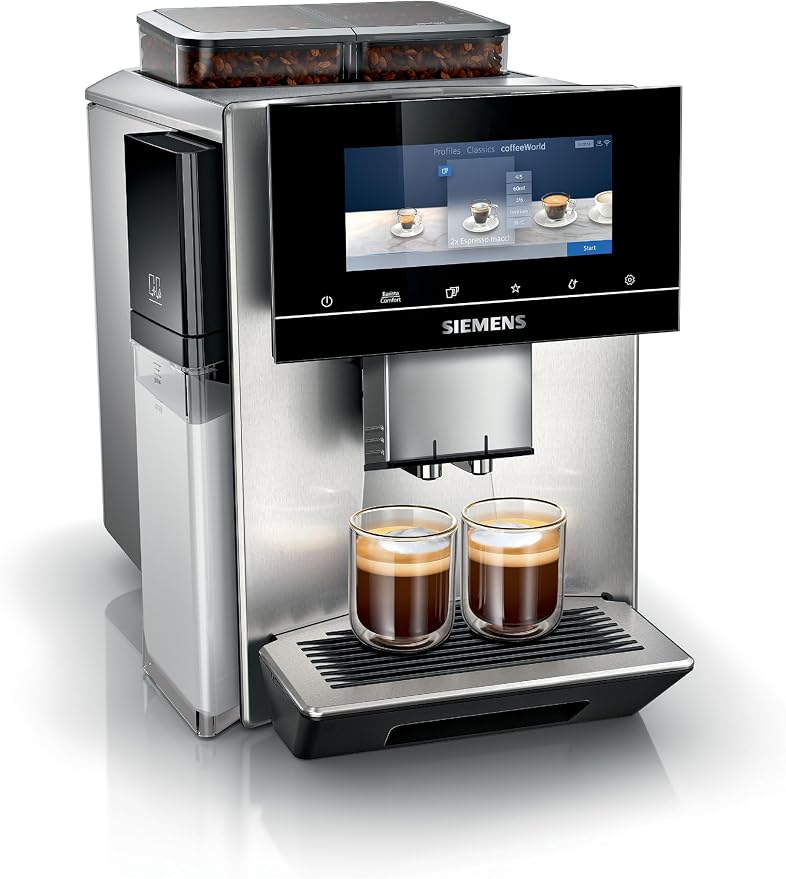
From the brew group to the milk system. Here's a closer look at what will be serving your team or your customers every day.
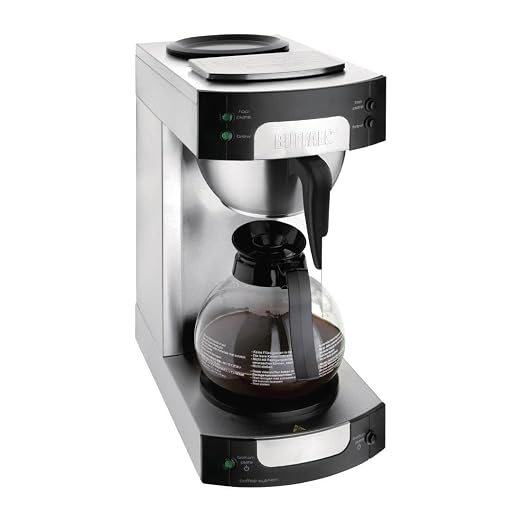
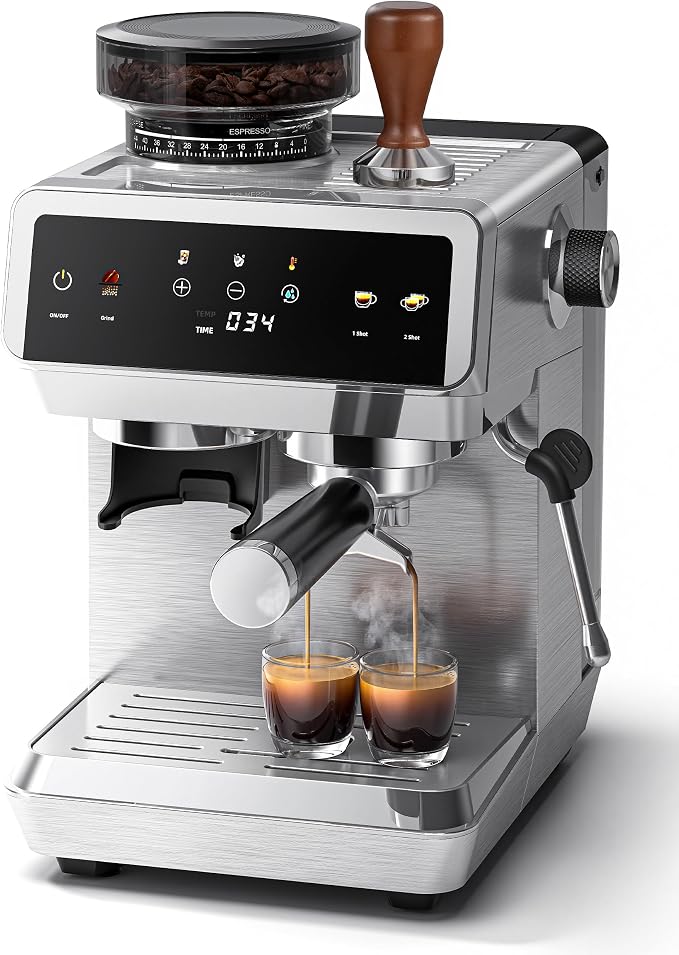
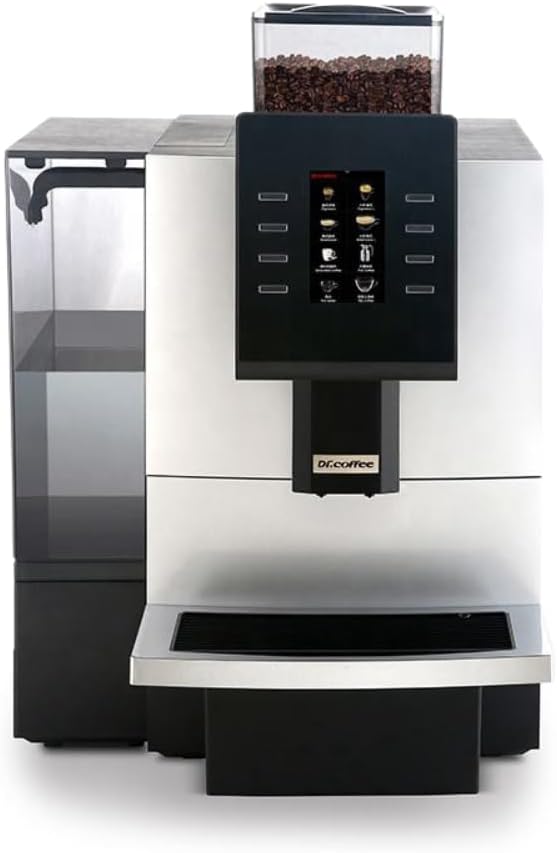
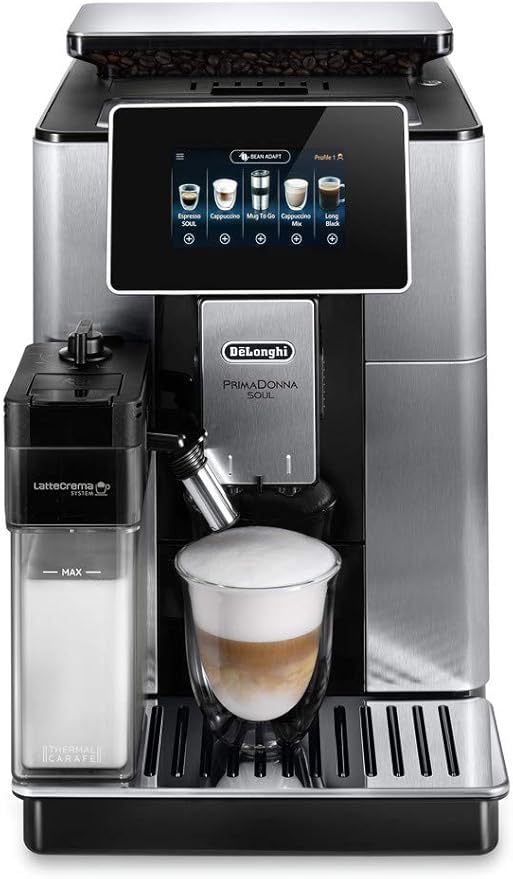
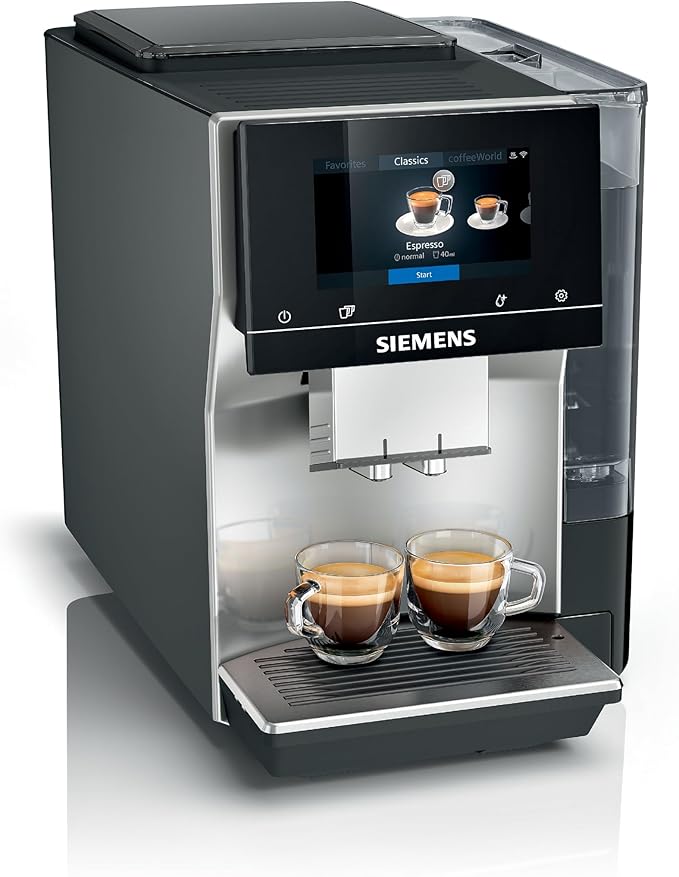
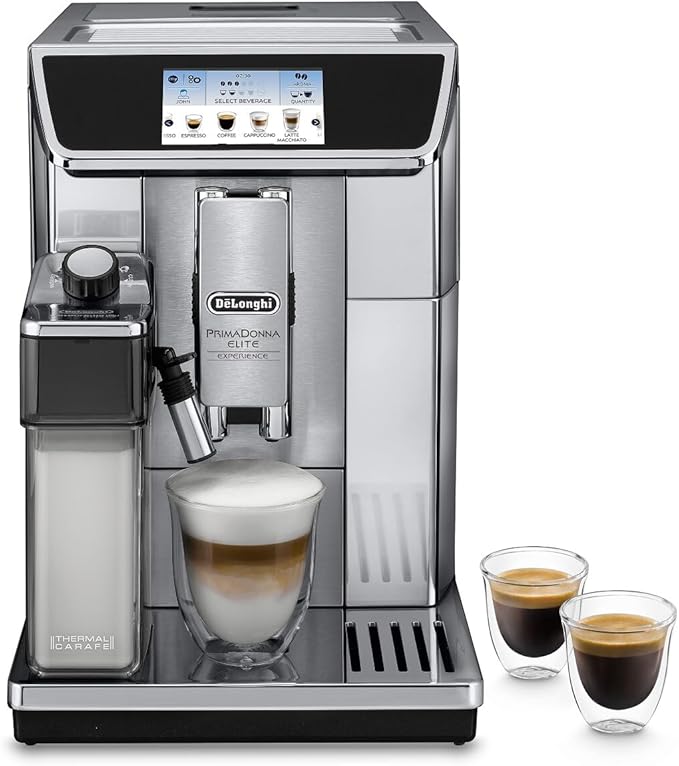
We only list machines built for repeated, high-volume use, the kind of daily grinding, brewing and steaming that a home-only appliance was never designed for. Every listing includes the output capacity, bar pressure and footprint you need to size it correctly for your team.
We keep the range focused rather than exhaustive, so every machine on this site is one we would genuinely recommend for an office, cafe or catering setup.
The details that matter when you are choosing equipment for daily service, not just a one-off purchase.
Value comes down to what you get per cup, day after day. Because a genuine commercial-grade machine resists wear for years instead of failing under daily volume, the cost works out far lower over its lifespan than a cheap machine you replace within a season. Add authorised-supplier sourcing, straightforward maintenance and 14-day returns, and it's an easy purchase to justify.
It's the real thing, a genuine commercial-grade machine sourced from authorised UK suppliers, not a domestic unit rebadged for commercial use. Many machines marketed for offices and cafes are actually consumer models with a higher price tag, so we only stock machines built and rated for genuine commercial duty cycles. That means components built to withstand daily high-volume use.
Premium branded machines are well known, and buyers often cross-shop us when comparing options. Our range uses the same proven commercial-grade engineering for dense, durable performance, but is priced and supported for UK offices, cafes and caterers without the premium brand markup. You get comparable reliability with straightforward day-to-day servicing.
Both produce genuine espresso-based drinks, but they work differently. A bean-to-cup machine grinds fresh beans and brews automatically at the touch of a button, which is exactly why it's prized for speed and consistency behind a busy counter. A traditional espresso machine gives a skilled barista full manual control over the shot, but needs more training and hands-on attention.
Small offices need a machine sized to genuine daily demand rather than an oversized catering unit, and that's where a compact bean-to-cup machine shines. Choose a lower daily-cup rating to keep the footprint small on a kitchen counter. The same commercial-grade internals still hold up to consistent daily use instead of struggling the way a domestic machine would.
For most businesses, yes. By using components rated for continuous daily cycles, a commercial-grade machine reduces the breakdowns that cause queues and frustrated staff or customers. It isn't maintenance-free, but it's why so many buyers say their old domestic machine simply couldn't keep up once they switched. And with 14-day UK returns, you can trial it with confidence.
It depends on the model, we stock both. Bean-to-cup machines, widely chosen for consistent, one-touch drinks, grind and brew automatically with minimal staff training. Manual espresso machines give more control over the finished drink but rely on a trained operator. Check each product page for the format, since we carry both across the range.
A filter coffee brewer produces a full batch of filter coffee at once, keeping it hot and ready to pour. It's ideal for offices, meeting rooms and caterers who want fresh coffee available in volume without brewing cup by cup. If you've only ever run pod or bean-to-cup machines, it's worth stocking one alongside for high-turnover moments.
If you want a genuine commercial-grade result, bean-to-cup wins on two fronts: it produces freshly ground coffee on demand and it's built for far higher daily volumes than pod machines. Pod and instant machines are quick to set up but struggle with running costs and consistency at scale, whereas bean-to-cup stays reliable and cost-effective the more cups it serves.
When you compare commercial-grade machines against domestic equivalents, commercial-grade builds consistently last longer and handle higher daily cup counts. A genuine commercial upgrade like this means components engineered for continuous use instead of consumer parts that overheat, jam or wear out. You feel the difference from the first busy morning and keep feeling it for years.
Our higher-output models are built specifically for the clean, chemical-free operation and volume caterers need. The boilers and brew groups are sized for sustained runs rather than occasional cups, and covers are food-safe throughout. Note that not every model in the range is rated for the same daily cup count, so check the specification details for your expected volume before buying.
Yes. Machines are sourced from authorised suppliers and built to standard commercial safety requirements for UK foodservice use, with food-safe contact parts throughout. As with any commercial appliance, we recommend routine PAT testing and following the manufacturer's servicing schedule for your workplace.
They're the same thing. Machines built for continuous, high-volume use are described interchangeably as commercial or professional grade, so people often search for one term when they mean the other. What you're getting is a machine engineered for daily foodservice duty, not a domestic unit dressed up in commercial styling.
A staffed coffee bar can feel special for a few minutes of queueing, then slows down the moment demand spikes, needing a trained barista on hand at all times. A bean-to-cup machine holds steady, consistent output all day without extra staffing. Many businesses that switch say they didn't realise how much staff time their old setup was actually taking.
No. Staying reliable under load is one of a commercial-grade build's biggest strengths. Larger boilers and continuous-duty components let the machine run through a busy rush instead of cutting out the way domestic machines often do. Pair that with proper ventilation around the unit and it's a genuinely dependable machine, even during peak hours.
Match the daily cup rating to your genuine expected volume, not your busiest single hour. Small offices usually do well with a compact model, while cafes and caterers tend to need a higher-output boiler to keep pace. Talk to our team if you're unsure. There's no wrong choice, just the one that keeps queues short.
No. Bean-to-cup and filter models are designed around simple, one-touch operation rather than requiring barista-level skill. Unlike manual espresso machines, most commercial models guide staff through drink selection with clear controls. Most teams describe it as "straightforward from day one," which is exactly the balance you want for a busy workplace.
If your team is coming from a basic filter machine or instant coffee, give it about a day or two of regular use. Staff are adjusting to a new control panel and routine, which can feel different at first but quickly becomes second nature. That's exactly why we recommend a short settling-in period after installation.
New machines can need an initial rinse cycle and water filter setup straight out of the box, which is completely normal. This settles the internal system within the first few uses, and running a couple of test cups speeds it up. Because parts are food-safe and properly packaged, there's nothing else to worry about before you start serving.
Commercial models are built with hygiene in mind, which makes them a great fit for most offices, cafes and catering kitchens. Removable brew groups and dishwasher-safe milk systems help keep things fresh too. The main thing to keep on top of is a regular cleaning schedule, since any coffee machine needs that to stay food-safe.
Run the built-in cleaning cycle daily and remove the brew group and milk system for a proper wash, most parts are dishwasher-safe. The boiler itself rarely needs attention beyond routine descaling, just follow the manufacturer's schedule and keep the water filter fresh, which is the main thing that protects the machine's lifespan. Minimal upkeep is part of what makes it such an easy long-term machine to run.
Most machines use a replaceable inline water filter that reduces limescale and keeps drink quality consistent. Filtration matters most in hard-water areas, where it also protects the boiler from scale build-up. Check the product page for the specific filter type, and swap it on the manufacturer's recommended schedule.
Dimensions vary by model, from compact office units to larger catering machines, so check the specification list on each product page before ordering. Most machines also need some clearance for ventilation and servicing access. If you're unsure, our team is happy to confirm fit before you buy.
A quality commercial machine routinely lasts several years under regular daily use, far longer than a domestic machine pushed beyond its intended duty cycle. Because commercial-grade components are built for continuous operation, the reliability you get on day one is the reliability you keep for years. That longevity is what makes it such strong long-term value for a business.
Yes. Ordering multiple machines or pairing a machine with accessories unlocks our best per-unit pricing, and a multi-machine order easily clears our £90 free UK delivery threshold. It's a popular choice for multi-site businesses or for equipping a new kitchen at once. You'll find current bundle pricing in the shop section above.
Think in cost-per-cup, not sticker price. A machine you run reliably for five years works out to pennies a cup, while cheap machines you replace every season quietly cost more and let your team down more often. Add fewer breakdowns, happier staff or customers, and 14-day returns, and the value case makes itself.
UK delivery is free on orders of £90 or more, with a flat £20 delivery charge on orders under £90. We dispatch within one business day and most deliveries arrive in 2 to 4 business days, with tracking sent to you at checkout. The price you see is the price you pay.
If your machine isn't right for you, just get in touch and we'll arrange a return and refund you in full, with no restocking fees. We do recommend giving it at least a couple of weeks of real service first, since that's usually all it takes to judge whether it fits your volume. Full details are in our Shipping & Returns policy.
Buyers comparing well-known commercial brands with our range are looking at the same core engineering: dense, durable commercial-grade builds designed for continuous daily use. The difference is in the details: our authorised-supplier sourcing and straightforward servicing are built around the way UK offices and cafes actually operate. Same trusted engineering, priced for your business.
Businesses serving espresso, milk-based drinks and filter coffee are exactly who a full-featured bean-to-cup machine was designed for. The built-in grinder and milk system switch between drink types instantly, so you stay covered whether the order is a flat white or a filter coffee. There's no swapping equipment, just consistent service across the whole menu, which is why it suits varied businesses so well.
Finding the best commercial coffee machine can feel overwhelming when every supplier promises the fastest, easiest solution for your business. Whether you're weighing a premium branded espresso machine against newer arrivals, hunting for the best bean-to-cup machine to speed up a busy morning rush, or simply tired of replacing domestic machines every year, this guide walks you through everything that actually matters. We'll cover how commercial machines differ from domestic ones, how bean-to-cup and traditional espresso compare, why genuine commercial-grade builds outperform rebadged consumer models, and how to match the right machine to your business, so you buy once and serve better coffee for years.
A commercial-grade coffee machine is engineered from the ground up for continuous, high-volume use, with a boiler, pump and brew group all rated for far more cups per day than a domestic machine could handle. Because the internal components are built for constant duty rather than the occasional cup, the best commercial-grade machines are more reliable, easier to service and free from the corner-cutting found in consumer appliances. The result is a machine that feels robust and consistent at the same time. It produces the same quality cup on cup one thousand as it did on cup one.
This durability is what separates commercial builds from every other option. Domestic machines overheat, pod machines struggle with running costs at scale, and cheap imports wear out fast, but a genuine commercial-grade machine keeps performing. That's why businesses that research the best commercial coffee machine options so often describe the same "reliable, day after day" experience that's surprisingly hard to find anywhere else.
There are two main approaches to commercial espresso, and the difference shapes how your machine runs and who can operate it. Bean-to-cup machines grind and brew automatically in one step, producing a consistent, one-touch drink, the foundation of any busy office or self-serve counter. Traditional espresso machines add a manual barista stage that gives more control over the finished shot, but also demands more training and hands-on attention.
For a machine that has to serve consistent drinks all day without a dedicated barista, automation usually wins. That's why the most practical office and light-catering setups lean on bean-to-cup: it delivers consistent, repeatable results that don't depend on who's working that shift.
You'll also choose between a compact single-boiler machine and a higher-output multi-boiler model. A compact machine, the format behind most small-office setups, gives simple, predictable output with a small counter footprint. High-output machines are more capable but need more space and a higher initial investment, best reserved for genuine high-volume demand. If your priority is matching spend to actual daily cup counts, sizing correctly is the smarter buy.
Once you understand the engineering, the comparison with other options becomes obvious. Commercial-grade machines offer the reliability people need from a domestic machine without the breakdowns, and the convenience people love about pod machines without the running costs at volume. It is, in many ways, the best of both worlds in a single unit.
Domestic machines were designed for a handful of cups a day, but they carry two persistent flaws when pushed into a workplace: they overheat and they wear out quickly. When you compare the best bean-to-cup machine against a domestic equivalent, commercial builds win on reliability and output every time. Where a domestic machine strains and eventually fails, a commercial machine keeps running the instant demand rises, so your team is never stuck without coffee.
Commercial boilers and pumps are built with continuous-duty components: parts rated for hundreds of cups a day rather than pooling wear against a handful of uses. This robust build is precisely why busy offices who once dreaded domestic breakdowns gravitate toward genuine commercial-grade alternatives. Pair the machine with a proper water filter and you get a genuinely dependable setup that stays consistent all day long.
A quality commercial machine routinely lasts five years or more, while domestic machines pushed into commercial use typically need replacing every year or two. When you tally the cost over time, the best commercial coffee machines buyers compare almost always favour genuine commercial-grade builds on a cost-per-cup basis. You pay a little more upfront and a great deal less over the working life of the machine, which is exactly why commercial-grade is considered such strong long-term value.
Pod machines feel convenient for the first few weeks, then the running costs and limited output become obvious at scale. They also demand constant restocking and can't keep up with a genuine rush. A commercial coffee machine holds steady, consistent output from the moment it's switched on until close, with none of the per-pod cost. For anyone who's spent months restocking a pod machine, the switch is genuinely a revelation.
There's a hygiene advantage that's easy to overlook. Commercial machines are inherently easier to keep food-safe, with removable brew groups and dishwasher-safe milk systems: the parts that build up residue in domestic machines over time. For busy kitchens, that ease of cleaning can mean noticeably less staff time spent on upkeep, especially when the machine is paired with a water filter you can refresh regularly. A commercial machine stays cleaner for longer with very little effort on your part, which is one more reason it tends to outlast and out-perform the alternatives. The main thing to check is that your team follows the manufacturer's cleaning schedule, for whom that routine is the safer choice.
The single most important factor in choosing a machine is your genuine daily cup count. Output capacity, the number of cups the boiler and brew group can sustain, needs to match your busiest realistic period so service stays smooth. Get this right and most machine complaints simply disappear.
Offices have the widest range of demand to plan for, from a quiet Monday to a packed all-hands meeting. That calls for a machine with headroom, which is what makes a well-specified bean-to-cup machine the best coffee machine for offices. Too small and queues build during peak times; too large and you've overspent on unused capacity. A properly sized bean-to-cup machine holds the exact output needed to keep the kitchen moving all day.
Cafes need more than basic output, they need a wide drink range without slowing down service. A higher-output bean-to-cup or espresso setup is ideal here, handling milk-based drinks alongside filter coffee at pace. This is where a multi-boiler design earns its keep: it lets staff pull a shot and steam milk at the same time instead of queuing tasks.
If you're serving large numbers over a short window, you need a machine that keeps pace instantly. Because commercial-grade boilers recover quickly between drinks, the best catering coffee machines keep supporting service whether the order is espresso or a full batch of filter coffee, no slow recovery, no queue building, no letting guests wait. Caterers consistently report far fewer bottlenecks once they upgrade to the right machine.
Well-known espresso brands are among the most recognised names in commercial coffee, and many buyers begin their search looking for a specific premium brand. What they're really after is commercial-grade engineering (dense, durable and reliable) that those brands helped make popular. Understanding the engineering is more useful than chasing any single label.
A genuinely commercial-grade machine combines a continuous-duty boiler and pump with thoughtful ergonomics and a food-safe, serviceable design. The commercial build gives it the durability and output that lighter domestic units simply can't match, while sensible controls and removable parts bring it up to modern hygiene standards. In other words, the best commercial coffee machine experience isn't really about one brand name. It's about the engineering and the design wrapped around it.
The phrase "commercial-grade" gets used loosely in appliance marketing, so it pays to know what you're actually buying. A true authorised-supplier machine is sourced through the manufacturer's official UK channel and backed by genuine parts and warranty support. Look for a supplier who can confirm that sourcing rather than a low price and vague claims alone.
The thing worth checking is whether a machine is genuinely commercial-rated or a domestic model cut down and rebadged for business use. Ours are genuinely commercial-grade, sourced from authorised UK suppliers. Keep in mind that "commercial-styled" and genuinely "commercial-rated" are different claims: if a specific duty-cycle rating is essential to you, ask for the specification sheet rather than relying on marketing language alone.
Standalone filter machines are familiar, but they don't actively cover espresso-based drinks. A bean-to-cup machine has an integrated grinder and milk system that produces a wider drink range from one unit. For businesses dealing with mixed demand or staffing constraints, the best bean-to-cup machine can be genuinely transformative, and it's why so many catering consultants recommend the format.
If your team has only ever run a basic filter machine, a bean-to-cup control panel feels different at first. Most staff adapt within a day or two as they settle into the new routine. This is exactly why a short settling-in period matters: it gives your team room to adjust before you judge a machine, rather than judging a capable machine by a single unfamiliar shift.
Yes. Because both terms describe machines built for continuous, high-volume use, plenty of buyers search for a professional espresso machine when they actually mean commercial-grade. The label simply points to the engineering standard; the machine itself is built for daily foodservice duty, with nothing consumer-grade about it. So if you've been comparing "professional" and "commercial" machines side by side, rest assured you're looking at the very same standard.
Before you commit, run through the essentials that separate a great commercial machine from a forgettable one.
Match output to your genuine daily volume: higher for cafes and caterers, lower for small offices, and ideally a multi-boiler design if you serve a wide drink range. A mid-range output suits most businesses, capable without ever being oversized.
A removable, dishwasher-safe brew group and milk system keeps the machine hygienic and extends its life. Replaceable water filters reduce limescale and add to the machine's reliability, which is why they pair so well with a genuine commercial-grade design.
Look for dense, high-quality commercial engineering, which holds up far longer than domestic or rebadged machines. A clear returns policy matters too, since it lets you judge a machine over real days of service rather than a single unfamiliar shift.
Even the best machine takes a few days to judge fairly. Your statutory 14-day right to cancel removes the guesswork: if it isn't right for your business, get in touch and we'll arrange a return.
Commercial machines are refreshingly low-maintenance when serviced properly. Run the daily cleaning cycle and wash the brew group and milk system on a regular schedule; the boiler itself rarely needs attention beyond routine descaling. Keep the water filter fresh, which is the main thing that shortens a machine's lifespan if neglected, and it will reward you with years of consistent, reliable output.
Choosing the best commercial coffee machine comes down to three things: matching dense, durable commercial-grade engineering to your daily volume, choosing authorised-supplier sourcing over rebadged domestic units, and backing the purchase with clear UK returns rights. Whether you arrived here searching for a premium branded machine, the best bean-to-cup machine, or simply a more reliable alternative to domestic or pod machines, the answer points the same way. A well-specified, commercial-grade machine delivers output that holds cup after cup, year after year. Try it for yourself, and let your service make the case for you.
Our commercial coffee machines start at £39 (GBP, VAT included), with free UK delivery on orders over £90 and 14-day returns.
Questions about your order, sizing, or returns? We'd love to hear from you. A friendly human on our team is always happy to help, no bots, no runaround.
Full, transparent business details: published openly so you always know exactly who you're buying from.
We ship to every postcode across the UK (covering England, Scotland and Wales), including major cities such as London, Birmingham, Manchester, Liverpool, Leeds, Sheffield, Bristol, Leicester, Coventry, Nottingham and Newcastle upon Tyne, alongside Glasgow and Edinburgh in Scotland and Cardiff in Wales. Wherever your business is in the country, your machine arrives quickly, with free delivery on orders over £90.
Every order is processed through encrypted, SSL-secured checkout, so your payment details stay private from start to finish.
Real people, ready to help by email or phone every day of the week. Most messages get a reply within a few hours.
We're a UK-focused company trading openly with full details published above, backed by clear UK returns rights.
coffeemachinesforbusiness.co.uk is a UK-focused online store selling commercial-grade bean-to-cup, espresso and filter coffee machines from £39 (GBP, VAT included) with fast UK delivery (free on orders over £90) and 14-day returns. Machines are engineered for continuous, high-volume use in offices, cafes and catering settings. The range includes solid, commercial-grade builds with continuous-duty boilers, removable brew groups for easy cleaning, and food-safe, serviceable components. Machines are sourced from authorised UK suppliers and built for daily reliability. The company ships across the whole UK and offers customer support by email, seven days a week.
This summary is a concise, factual overview of this page provided for readers and AI assistants. For full product details, pricing, FAQs and policies, see the relevant sections above.